
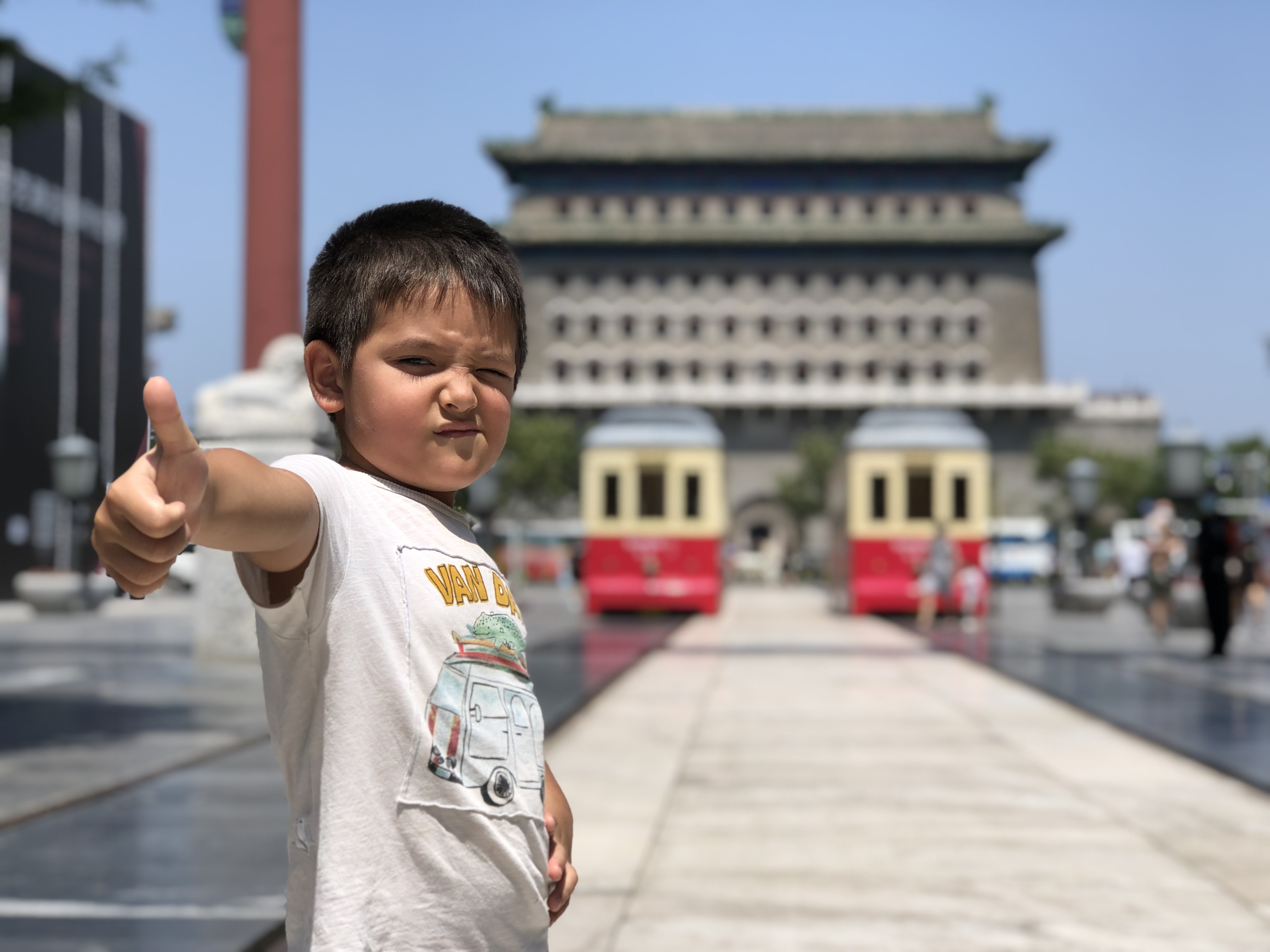
Introduction to Beijing

“Explore the heart of China – a city where history meets modernity”
Welcome to Beijing, the captivating capital city of China, where history and modernity intertwine to create a truly remarkable destination. As we embark on this exploration, get ready to immerse yourself in a city that beautifully balances its rich historical heritage with the dynamic pulse of the present.
Beijing, a city with a history spanning over 3,000 years, stands as a testament to the grandeur and resilience of Chinese civilization. It is a place where emperors once ruled from the majestic Forbidden City, and where the Great Wall of China winds its way through rugged mountains, symbolizing the ancient defense of a nation.
Yet, Beijing is not confined to its illustrious past. It is a city that embraces progress and innovation, boasting modern architectural marvels, a thriving arts scene, and a vibrant cultural tapestry. The juxtaposition of ancient temples and futuristic skyscrapers, traditional markets and upscale shopping districts, creates a captivating blend of old and new.
In this presentation, we will delve into the heart of Beijing, exploring its top attractions and must-visit sites. From the iconic Tiananmen Square, a symbol of China’s political history, to the serene Temple of Heaven, where emperors once paid homage to the divine, each destination will offer a unique window into the city’s rich tapestry.
We will also discover the charm of Beijing’s traditional hutongs, narrow alleyways that reveal the daily lives of locals, and the thriving 798 Art Zone, where contemporary art and creativity flourish. And let’s not forget the vibrant energy of Wangfujing Street, a bustling hub of shopping and culinary delights.
As we navigate through Beijing’s historical landmarks, cultural treasures, and modern marvels, we will provide you with travel tips, insights into the best times to visit, transportation options, and cultural etiquette, ensuring that your exploration of Beijing is both enriching and seamless.
So, get ready to embark on a journey through Beijing, where history meets modernity, and where the past and present coexist in perfect harmony. Welcome to Beijing, the heart of China, where every corner tells a story and every moment is an opportunity to discover the wonders of this captivating city.
Join us as we journey through the 10 must-visit places in Beijing.”
The Great Wall of China

• Key points: Considered one of the greatest wonders of the world, the sections of Mutianyu and Jinshanling are our favorite one. They offer breathtaking views and a glimpse into China’s historical military defenses.
Visiting the Mutianyu and Jinshanling sections of the Great Wall offers visitors an opportunity to experience two different but equally stunning segments of this ancient wonder. Here are some key points and information about each:
Mutianyu:
- Located 43 miles (70 kilometers) northeast of Beijing, Mutianyu is renowned for its well-preserved fortifications and beautiful surroundings. Expect 1h30 drive through highway and regular road
- The section features 22 watchtowers, providing a unique perspective of the wall’s construction and strategic layout.
- Visitors can access the wall by cable car, chairlift, or a steep hike, catering to different preferences and physical abilities.
- The area offers various amenities such as restaurants, souvenir shops, and other conveniences to enhance the visitor experience.
Jinshanling:
- Situated 86 miles (140 kilometers) northeast of Beijing, Jinshanling is celebrated for its picturesque landscapes and diverse architectural styles. Expect around 2h30 from Beijing by highway. We recommend early departure.
- This section boasts a mix of original and restored segments, offering a more rustic and less crowded atmosphere than some other parts of the wall.
- Hiking along the wall at Jinshanling allows visitors to appreciate its undulating topography and the imposing watchtowers that dot the landscape.
- While there are fewer facilities at Jinshanling compared to Mutianyu, the area still provides basic amenities for visitors’ comfort.
- We recommned to stay one night here in a nice hotel just few hundreds meters down to the wall.
Both sections offer breathtaking views, unique photo opportunities, and a glimpse into China’s rich history and culture. Visitors should consider factors such as travel time, physical fitness, and personal preferences when choosing which segment to visit.
The Forbidden City

The largest ancient palatial structure in the world, the Forbidden City boasts over 500 years of history, serving as the home to 24 emperors of the Ming and Qing dynasties.
Visiting the Forbidden City in Beijing, China, is a remarkable experience that offers insight into imperial history and architecture. Here are some key points to consider when planning a visit:
- Duration: A recommended visit to the Forbidden City typically takes around 2-3 hours to explore the main highlights and gain an understanding of its historical significance. However, visitors with a deeper interest in Chinese history, art, and architecture may want to allocate more time for a comprehensive exploration.
- Best Time of Day: It is advisable to visit the Forbidden City early in the morning to avoid crowds and make the most of the cooler weather during the summer months. Additionally, visiting on weekdays can help minimize the number of other tourists, offering a more peaceful and relaxed experience.
- Logistics:
- Ticket Purchase: there is a limited amount of ticket available per day. Booking in advance is recommended
- Guided Tours: Consider joining a guided tour to gain in-depth knowledge of the complex’s history and significance. Alternatively, audio guides are available for rent at the entrance.
- Comfortable Footwear: The vastness of the Forbidden City necessitates a considerable amount of walking, so comfortable footwear is essential.
- Respectful Attire: Dress modestly and respectfully, as the site holds cultural and historical significance. This entails wearing clothing that covers shoulders and knees, particularly for visits to temples within the complex.
- Security Checks: Be prepared for security checks at the entrance, and avoid carrying large bags or prohibited items to expedite the entry process.
- Weather Considerations: Depending on the season, visitors should prepare for potential weather conditions such as extreme heat, rain, or cold, and bring appropriate attire and accessories.
- Beyond the Main Route: While the central axis is the most visited part of the Forbidden City, consider exploring less crowded areas and side halls to discover hidden gems and appreciate the architectural details and cultural relics away from the crowds.
- Photography: Visitors should be mindful of the photography regulations and avoid using tripods, selfie sticks, or flying drones within the premises.
Tiananmen Square

• Information: One of the largest public squares globally, it’s a symbol of China’s political history and home to the National Museum of China and the Mausoleum of Mao Zedong.
Visiting Tiananmen Square can be an enriching experience. Here are the key points you need to consider:
- Recommended Duration: Plan around 1 hour explore Tiananmen Square and its surrounding attractions for a basic visit. Usually we recommend to visit it before going to the Forbidden city
- Best Time of Day: Early morning is the best time to visit Tiananmen Square to avoid crowds and enjoy a peaceful atmosphere. Additionally, the square takes on a serene ambiance as the sun rises, making it an ideal time for sightseeing and photography.
- Logistics: Ensure you have your passport or ID with you as security checks are rigorous. It’s also recommended to book tickets in advance, if possible. Respectful attire is advised, and be mindful of local customs and security regulations.
- Weather Considerations: Consider the weather when planning your visit. Summers in Beijing can be hot and humid, while winters can be bitterly cold. Be prepared with appropriate clothing and gear.
- Beyond the Main Route: While Tiananmen Square is the main attraction, explore surrounding landmarks such as the Forbidden City, the National Museum of China, and the Great Hall of the People for a comprehensive experience.
- Photography Regulations: Restrictions on photography are in place, especially around sensitive areas such as government buildings and military personnel. Adhere to all photography regulations to avoid any inconvenience.
Temple of Heaven

A UNESCO World Heritage site, this religious complex symbolizes the relationship between heaven and earth. It’s where emperors performed annual ceremonies for good harvests.
The Temple of Heaven in Beijing is a significant and cultural site and must-visit for tourists. Here are some key points to consider when visiting:
- Duration: Plan to spend at least 2-3 hours to fully explore the temple complex, including the Hall of Prayer for Good Harvests, the Imperial Vault of Heaven, the Circular Mound Altar, and the surrounding gardens.
- Best Time of Day: The best time to visit the Temple of Heaven is early in the morning or late afternoon to avoid the crowds and make the most of the cooler temperatures. Additionally, these times are great for capturing beautiful photos with softer light.
- Logistics: The temple is located in the southeastern part of central Beijing.
- Cultural Etiquette: When visiting the Temple of Heaven, it’s important to respect the sacredness of the site. This includes observing local customs, such as not climbing on the ancient structures and being mindful of any ceremonies or rituals taking place.
- Guided Tours: Consider joining a guided tour to gain a deeper understanding of the history and significance of the Temple of Heaven. Many tours also include visits to other nearby attractions, providing a comprehensive experience.
- Weather Considerations: Be mindful of the weather, especially during summer when Beijing can get quite hot and humid. It’s recommended to bring sunscreen, a hat, and plenty of water to stay comfortable while exploring the expansive temple grounds.
- History and Architecture: Take the time to appreciate the intricate architectural design and the historical significance of the structures within the temple complex, as they offer insight into ancient Chinese beliefs and rituals.
Summer Palace

An exquisite example of Chinese landscape garden design, the Summer Palace is a vast ensemble of lakes, gardens, and palaces. It served as a summer retreat for emperors.
When visiting the Summer Palace in Beijing there are several key points to keep in for a fulfilling experience1. Duration: Plan to spend at least 2-3 hours the vast grounds of Summer Palace, including Longevity Hill, Kunming Lake, the Hall of Benevolence and Longevity, the Marble Boat, and the various pavilions and corridors.
- Best Time of Day: It’s best to visit the Summer Palace early in the morning to avoid the crowds and take advantage of the cooler temperatures. The morning light also provides great opportunities for capturing beautiful photographs of the scenery and architecture.
- Logistics: The Summer Palace is easily accessible by public transportation, including subway and bus. It’s essential to check the operating hours and any entrance fees in advance.
- Boat Ride: Consider taking a scenic boat ride on Kunming Lake to fully appreciate the breathtaking views of the Summer Palace from the water. This can be a relaxing and enjoyable way to experience the vastness of the palace grounds.
- Cultural Insights: Take the time to learn about the history and cultural significance of the Summer Palace, which served as a royal garden during the Qing Dynasty. Understanding the stories behind the buildings, gardens, and artworks will enrich your visit.
- Weather Considerations: Be prepared for varying weather conditions, especially during the summer when Beijing can be hot and humid. It’s advisable to bring sunscreen, a hat, and plenty of water, as well as an umbrella in case of rain.
- Guided Tours: Joining a guided tour can provide in-depth insights into the Summer Palace’s history, architecture, and significance. Knowledgeable guides can enhance your understanding and appreciation of this historic site.
Hutongs

The hutongs are a window into Beijing’s old way of life. Taking a rickshaw tour or simply wandering these lanes offers insights into the city’s traditional culture and community life.
Visiting the hutongs in Beijing can be fascinating and rewarding experience. Here are key points to considerDuration: It is recommended to allocate at least half a day for the hutongs in Beijing. This should you enough time to wander through the narrow alleyways, visit local shops and markets, and soak in the atmosphere of these traditional neighborhoods.
Best time of day: The best time to visit the hutongs is during the morning or late afternoon. During these times, you can avoid the bulk of the tourist crowds and experience the hutongs when they are at their most lively.
Logistics: It’s advisable to wear comfortable walking shoes, as the hutongs are best explored on foot. Be prepared for narrow alleyways and uneven surfaces. Additionally, consider hiring a local guide who can provide insight into the history and culture of the hutongs.
Must-see spots: While exploring the hutongs, be sure to visit popular attractions such as the Drum and Bell Towers, the Prince Gong’s Mansion, and the Nanluoguxiang alley. These landmarks provide a glimpse into Beijing’s rich history and architectural heritage.
Local experiences: Take the opportunity to interact with local residents, sample street food, and perhaps even participate in traditional activities such as learning to make dumplings or trying your hand at a traditional Chinese craft.
Photography: The hutongs are a photographer’s paradise, with their unique architecture, vibrant street scenes, and hidden courtyards. Be respectful when taking photos, especially of local residents, and always ask for permission when necessary.
Overall, visiting the hutongs in Beijing offers a chance to step back in time and discover a different side of the city’s culture and history. Make sure to take your time and immerse yourself in the charm and authenticity of these ancient neighborhoods.
798 Art Zone

Once an industrial complex, the 798 Art Zone is now a thriving arts community featuring contemporary art galleries, boutiques, and cafes, showcasing China’s dynamic modern art scene.
The 798 Art District in Beijing is a must-visit destination for art enthusiasts. Here are some key points to consider when planning a visit:
- Duration: Plan to spend at least half a day exploring the art galleries, studios, and shops in the 798 Art District. This will allow you to fully immerse yourself in the vibrant art scene and take your time to appreciate the diverse range of artwork on display.
- Best Time of Day: The 798 Art District is best visited in the late morning or early afternoon when the galleries are typically open and bustling with activity. This time also allows for good lighting for photography.
- Logistics: Wear comfortable shoes for walking, as you’ll likely be exploring the area on foot. Consider hiring a local guide who can provide insight into the artwork, help navigate the district, and provide historical and cultural context to the art installations. Additionally, interacting with local artists and residents can provide valuable insights and enhance the overall experience.
- Photography Opportunities: The 798 Art District offers an abundance of photography opportunities, so be sure to bring your camera or smartphone to capture the unique artwork, architecture, and vibrant atmosphere.
National Centre for the Performing Arts

Known as “The Giant Egg,” this titanium and glass dome is a marvel of modern architecture and a hub for performing arts in China, hosting opera, ballet, and theatrical performances.
When planning a visit to the National for the Performing Arts in Beijing, here some key points to:
- Duration: Plan to spend several hours at the National for the Performing Arts fully experience its grand architectural design and possibly attend a performance. This could take up a half or a full day, depending on if you plan to attend a show.
- Best Time of Day: It is best to visit the National Centre for the Performing Arts in the afternoon or early evening, especially if you intend to attend a performance. During this time, you can admire the building’s stunning exterior, take a guided tour, and possibly attend a show in the evening.
- Logistics: Wear comfortable shoes, especially if you plan to take a guided tour of the interior or intend to attend a performance. Consider booking tickets for a performance in advance if you’re interested in experiencing a world-class production at the theatre.
- Photography Opportunities: The exterior of the National Centre for the Performing Arts is a popular subject for photography, especially in the late afternoon when the lighting is ideal for capturing its grand architecture. However, it is important to be mindful of any photography restrictions, particularly if you plan to take photos inside the building.
Beijing Olympic Park

• Home to the 2008 Summer Olympics, the park is a testament to Beijing’s modern architectural achievements and a popular spot for both tourists and locals to explore.
- Recommended Duration: At least half a day to fully explore the park and its attractions.
- Best Time of Day: Morning or late afternoon to avoid the midday heat and crowds.
- Logistics: Wear comfortable shoes for walking, consider hiring a local guide for insightful information and interaction with local residents. It’s also a great opportunity for photography.
- Attractions: Make sure to visit the iconic Bird’s Nest stadium, the Water Cube aquatic center, and the Olympic Forest Park nearby.
- Booking: Consider booking tickets in advance, especially for specific events or attractions within the park.
- Immerse in Photography Opportunities: The unique and modern architecture of the Olympic Park provides excellent photography opportunities, especially during sunrise or sunset.
- Extras: Check the park’s event schedule for any special performances or exhibitions at the time of your visit.
Wangfujing Street

• Beijing’s most famous shopping street is known for its mix of modern malls, traditional shops, and the famous snack street where adventurous eaters can sample exotic local delicacies.
- Recommended Duration: At least half a day, as there are numerous shops, eateries, and activities to explore along the street.
- Best Time of Day: Late afternoon or early evening, when the street comes to life with vibrant activity and the evening food market opens up.
- Logistics: Wear comfortable shoes for walking, as you’ll be exploring on foot. Consider hiring a local guide for a deeper understanding of the area and its attractions.
- Attractions: Explore the variety of shops, from international brands to traditional Chinese stores, and don’t miss the exotic food market with its unique culinary offerings.
- Immerse in Photography Opportunities: Wangfujing Street offers excellent opportunities for street photography, especially as the sun sets and the lights of the city come on.
- Extras: Keep an eye out for any local events or performances that may be happening along the street, adding to the vibrant atmosphere.
Beijing Map and site location
